
- HOME
- SOLUTIONS
- TECHNOLOGY
- INNOVATION
- COMPANY
- SCI UPDATES
- OTHERS
- DISCOVER – PRODUCT FEATURESDISCOVER - PRODUCT FEATURES
- Oxygen Delivery Systems
- Wind Power Conversion
- Solar Street Lights
- Agro-Photovoltaic
- EV Charging Stations
- HOME
- PARTNERS
- Col
- LEADERSHIP TEAM
- FAQ
- Col
- Col
- PROJECTS
- PRODUCT FEATURES
- SERVICES
- FEATURES
- SIMPLE LAYOUT
- BOOKING PANEL
- WEATHER PANEL
- SIMPLE TEXT WITH MASK
- EVENT COUNTDOWN
- TEXT WITH REGISTER
- PRODUCT PRESENTATION
- GOOGLE MAPS
- VIDEO BACKGROUND
- TEXT POP
- CSS3 PANELS (ALTERNATIVE)
- LAPTOP SLIDER (ALTERNATIVE)
- LAPTOP SLIDER
- PROJECTS
- BLOG
- s
- BLOG STYLE #2
- SORTABLE PORTFOLIO
- s
- SORTABLE PORTFOLIO FULL
- CAROUSELS PORTFOLIO
- CAROUSELS PORTFOLIO COLS
- PORTFOLIO CATEGORIES
- CUSTOM SUBHEADERS
- MODALS / POPUPS
- PAGE PRELOADERS
- CAREERS
- PARTNERSHIP
- NEWS & EVENTS
- TECHNOLOGY
- DISCOVER
- Privacy Policy
- Terms & conditions
- Medical Oxygen
- SIMPLE BOXES
- CAREERS AT SCIHIRING
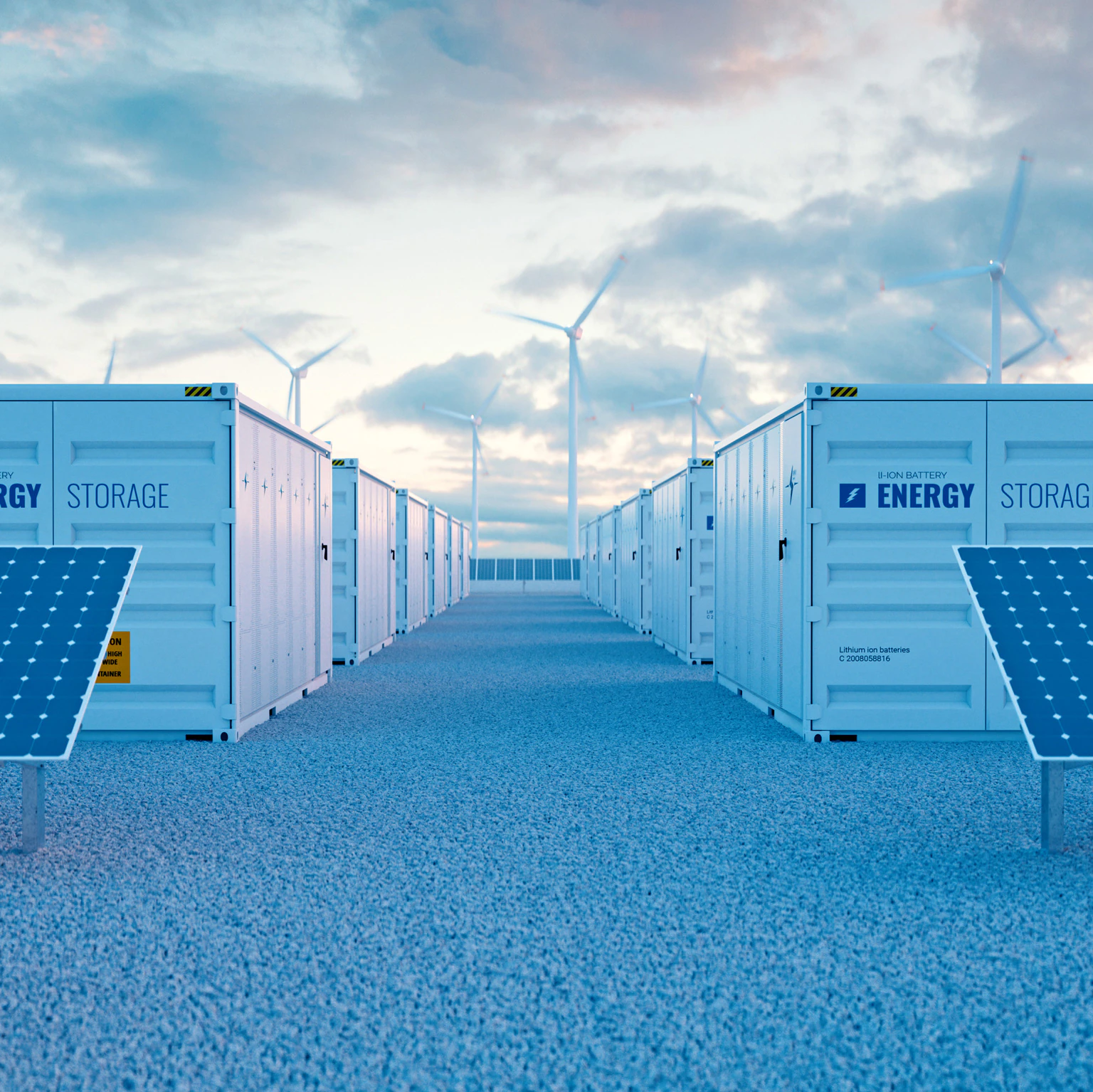
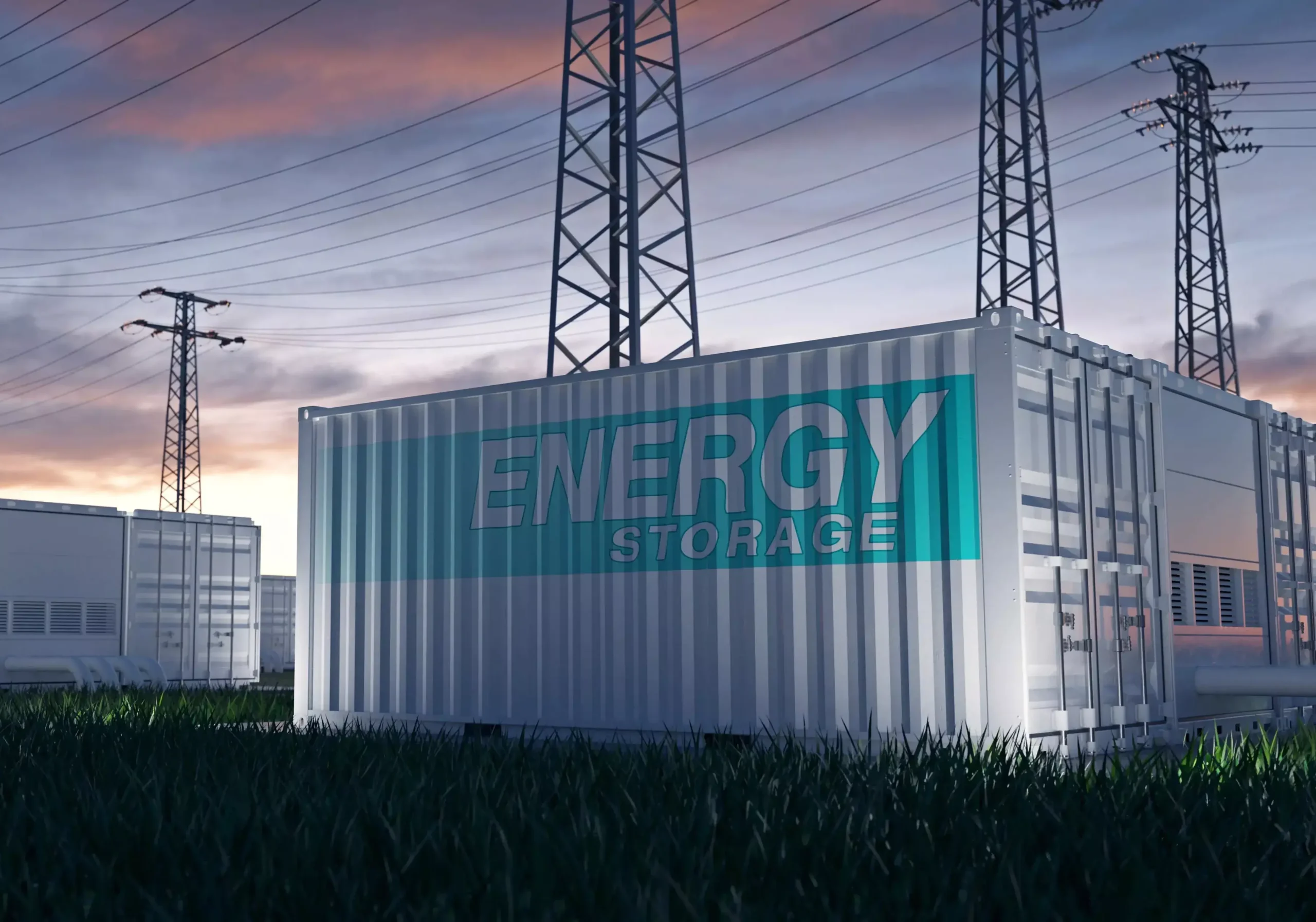
Experience the Power of Choice with Our Diverse Off-Grid and Grid-tied BESS Solutions.
SCI offers a range of battery options to suit the project's needs, balancing cost, efficiency, and safety for an optimized energy storage experience.
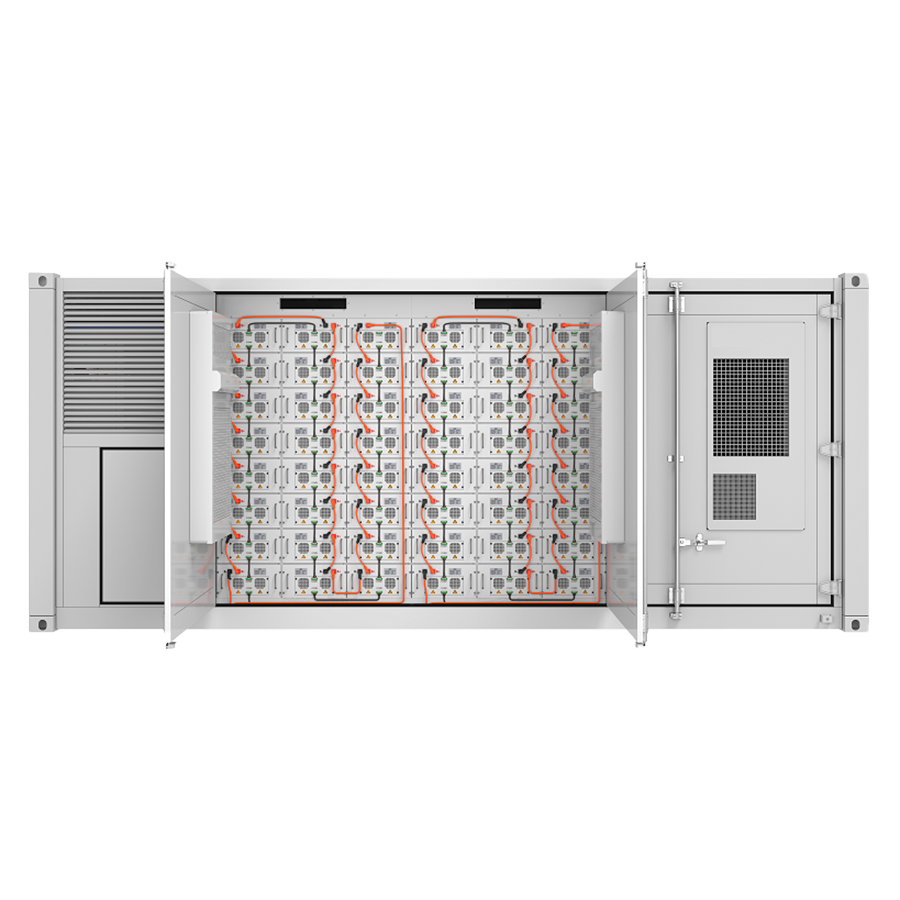
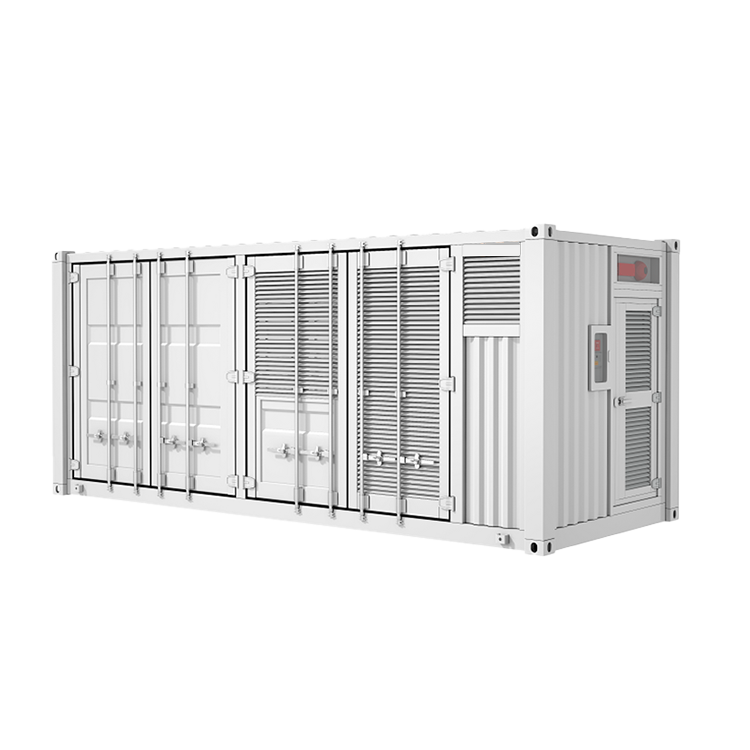
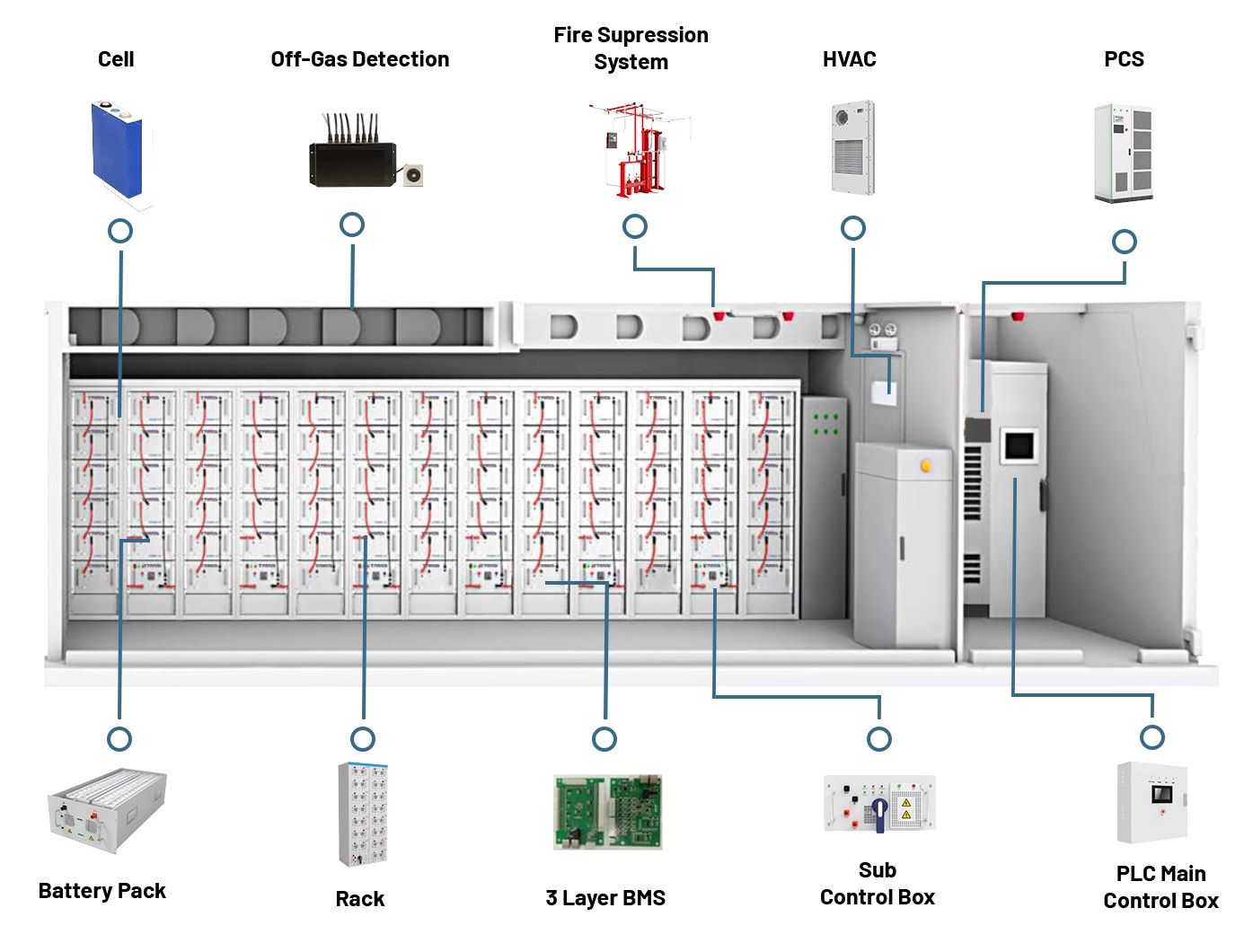
- Cell: The basic electrochemical unit that stores electrical energy in the BESS.
- Off-Gas Detection: A safety device to detect the emission of gases from the batteries, which could indicate a problem.
- Fire Suppression System: Safety equipment designed to extinguish fires, protecting the system from thermal events.
- HVAC: Heating, ventilation, and air conditioning system to regulate the temperature within the BESS for optimal performance and safety.
- Power Conversion System: Converts DC energy stored in the batteries to AC for use by the grid or loads, and vice versa.
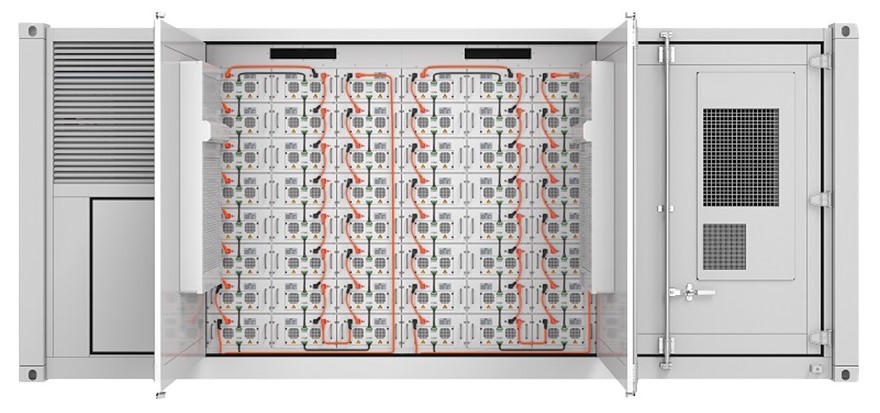
- Battery Pack: A group of cells or modules connected together to provide a specific voltage and capacity.
- Rack: Houses multiple battery packs and integrates them into the system.
- Battery Management System: Manages the battery packs, monitoring state of charge, and temperature, and balancing the cells to maintain health and efficiency.
- Sub Control Box: A secondary control unit that may manage specific subsystems or operations within the BESS.
- PLC Main Control Box: The primary logic controller that oversees all operations of the BESS, ensuring everything runs smoothly and efficiently.
- Auxiliary Power Design: Including power source redundancy and energy efficiency measures.
- Site Layout: Adding considerations for thermal management and environmental impact.
- Cable Sizing: Incorporating aspects like cable routing optimization and protection against environmental factors.
- Grounding System: Expanding to include electrostatic discharge protection and lightning protection systems.
- Site Communications Design: Extending to cybersecurity measures and integration with existing grid infrastructure.
- Energy Conversion Systems: Focusing on the efficiency and compatibility of inverters and converters.
- Battery Management Systems: To ensure optimal charging/discharging and extend battery life.
- Safety and Compliance: Including fire protection systems and adherence to local and international standards.
- Storage Capacity Planning: Considering future scalability and load demand forecasting.
- Maintenance Access and Facilities: Ensuring ease of access for regular maintenance and emergency repairs.
Through our advanced BESS solutions, we are enabling a more resilient and sustainable energy future. By integrating BESS across generation, transmission, and distribution, we ensure a seamless energy experience that is not just smarter and cleaner, but also more equitable and accessible.
Generation: Energy storage is revolutionizing power generation. Our Battery Energy Storage Systems (BESS) provide a robust solution to the intermittency of renewable energy sources.
By addressing supply disruptions and the variability of wind and solar outputs, BESS contributes to maintaining a balanced and responsive energy generation system, ensuring that power production meets consumer demand with reliability and efficiency.
Transmission: As electricity travels across vast networks, BESS plays a pivotal role in optimizing the flow of power. By deferring transmission upgrades and relieving network congestion, our systems reduce the need for costly infrastructure expansions.
Furthermore, BESS enhances transmission capabilities by delivering ancillary services essential for grid stability, such as frequency regulation and voltage support.
Distribution: At the distribution level, BESS is a game-changer. It defers the need for infrastructure upgrades by efficiently managing demand and supply peaks, providing backup power during outages, and supporting the integration of microgrids.
For utilities and distributors, this means improved operational efficiency and customer satisfaction. For end-users, it translates to increased energy reliability and potentially lower costs through reduced demand charges.